Major Improvement of Initial Block Download (IBD)
When a Bitcoin node joins the network, it must synchronize with the network by downloading the entire blockchain (which is roughly 550GB+). This process is called Initial Block Download (IBD), and it's one of the most critical performance bottlenecks for new nodes.
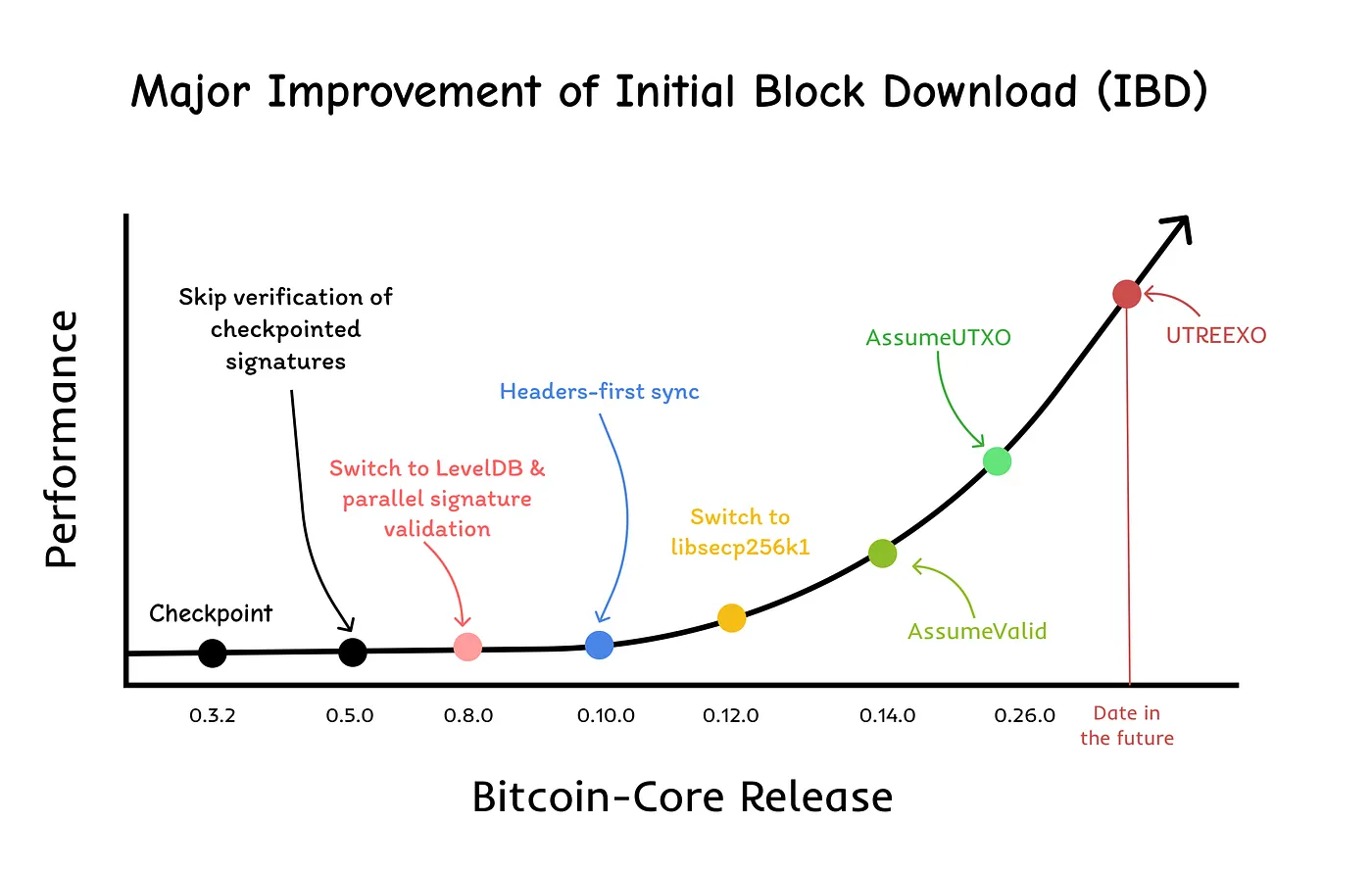
This article explores the major improvements that have been made to the IBD process over the years, making it faster and more efficient for nodes to get up to speed with the rest of the network.
The Problem
A new Bitcoin node needs to download, validate, and index every single block ever produced since the genesis block in January 2009. This is a massive amount of data and computation. Early versions of Bitcoin Core could take weeks to complete IBD.
Key Improvements
Several key optimizations have dramatically improved IBD performance:
- Headers-first sync: Instead of downloading full blocks sequentially, nodes first download all block headers (which are tiny, just 80 bytes each) to build the chain structure, then download full blocks in parallel from multiple peers.
- Parallel block download: Once the header chain is established, blocks can be downloaded from multiple peers simultaneously rather than one at a time.

- Signature caching and validation optimizations: Script validation has been optimized to avoid redundant work, and signature validation results are cached.

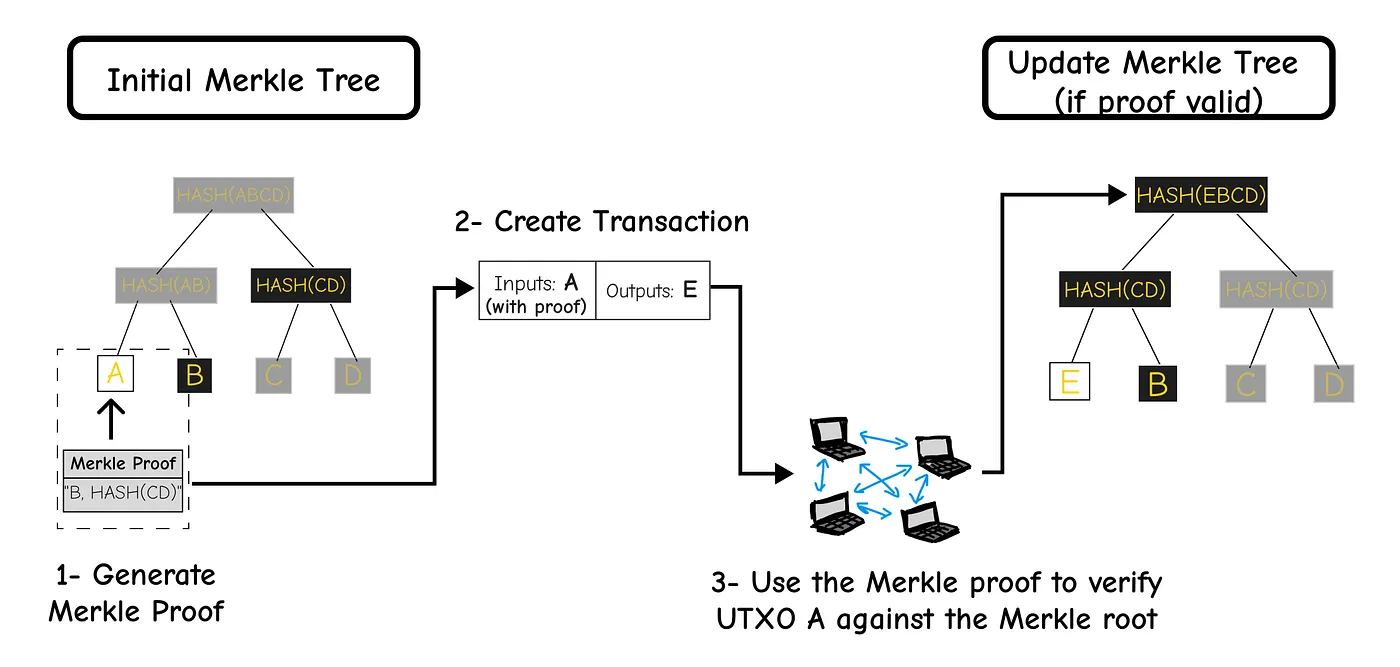
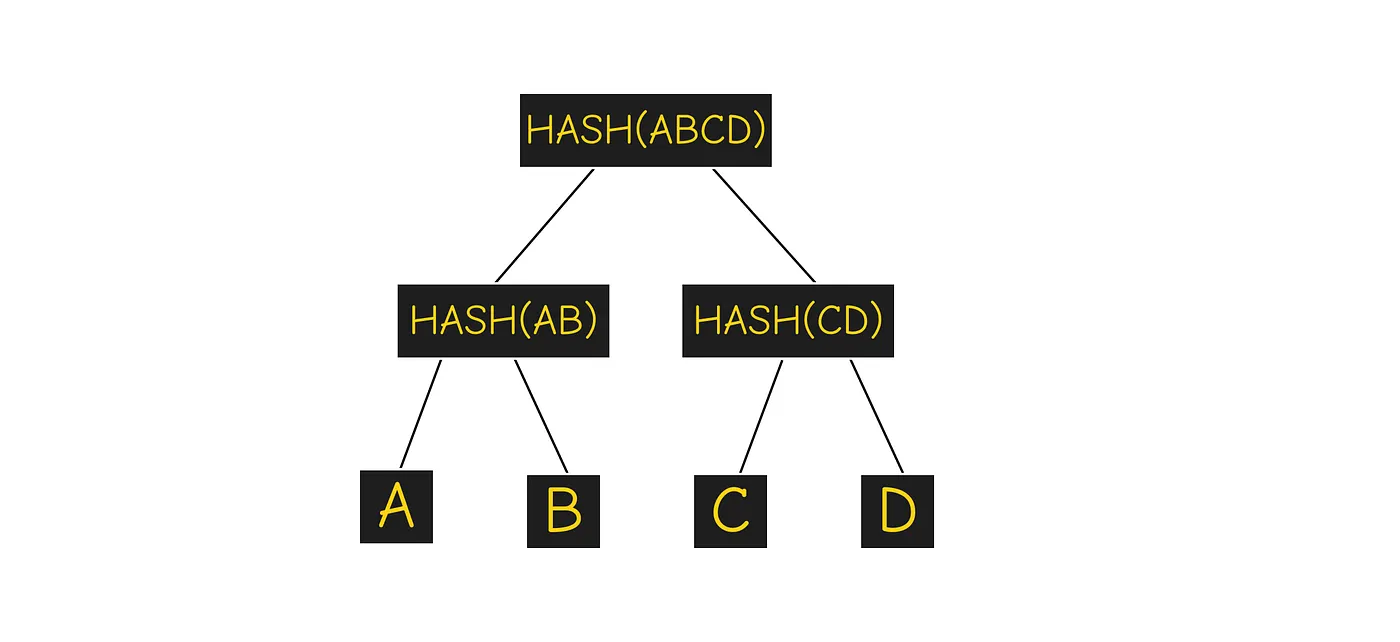
- UTXO set management: Improvements to how the Unspent Transaction Output set is stored and accessed during validation have significantly reduced I/O bottleneck.

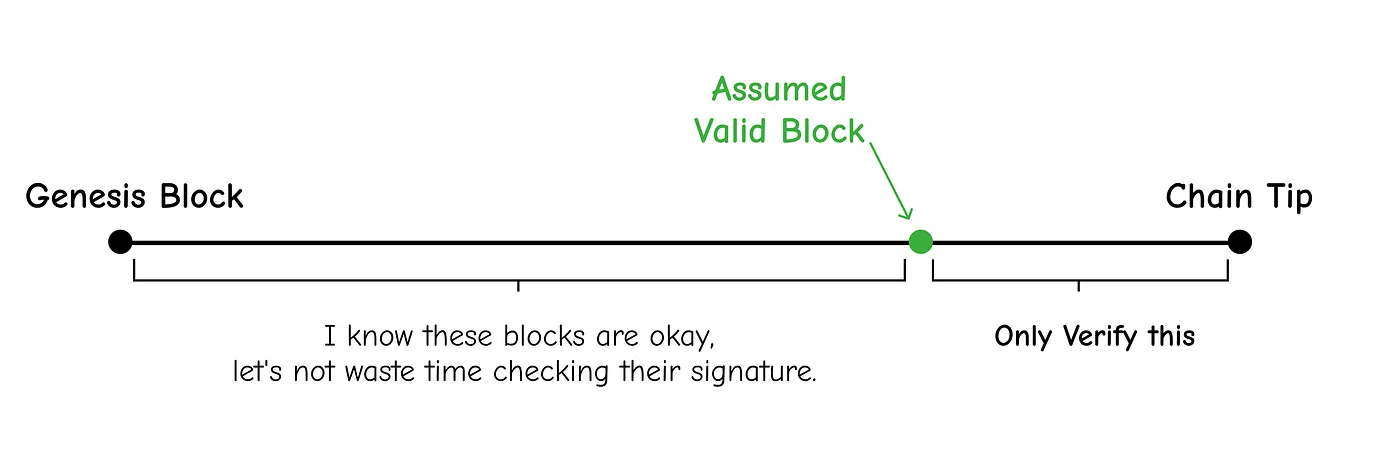
- AssumeValid: Nodes can skip full script validation for blocks buried deep in the chain (below a hardcoded hash), trusting that the community has already validated these blocks. This dramatically speeds up IBD while maintaining security for recent blocks.

These improvements have reduced IBD time from weeks to hours on modern hardware, making it much more practical to run a full Bitcoin node.